Start with the building
Freeze-thaw cycles, snow, coastal exposure, roof traffic, and equipment all influence the specification.

PRIME STATE ROOFING · NEW ENGLAND
Commercial roofing for the demands of your property. Explore EPDM, TPO, PVC, and modified bitumen, with a clear scope, coordinated installation, and warranty options you can understand.

COMMERCIAL ROOFING
Your roof protects more than a building. It supports the people, equipment, and operations inside. Prime State Roofing installs and services commercial low-slope roofing with attention to drainage, insulation, penetrations, and the details around the perimeter.
Freeze-thaw cycles, snow, coastal exposure, roof traffic, and equipment all influence the specification.
We review membrane choices, attachment methods, insulation, and budget together before recommending a scope.
Access, staging, tenant needs, and cleanup are part of the plan for occupied commercial properties.
MANUFACTURER SYSTEMS
Our brochure features Carlisle, Mule-Hide, and Elevate by Holcim. Product selection and manufacturer warranty eligibility are confirmed for the proposed assembly.
01 / CARLISLE
Membranes, insulation, adhesives, and flashing details specified to work together.
02 / MULE-HIDE
Single-ply and modified bitumen options for varied building conditions.
03 / ELEVATE BY HOLCIM
Formerly Firestone Building Products, with EPDM, TPO, and PVC systems.
UNDERSTAND THE DIFFERENCES
The best fit depends on the roof structure, exposure, building use, drainage, insulation, and budget. This comparison gives you a starting point for the conversation.
COMPARE THE OPTIONS · SCROLL SIDEWAYS ON SMALL SCREENS
| What matters | EPDM | TPO | PVC |
|---|---|---|---|
| Material | Synthetic rubber / thermoset | Thermoplastic polyolefin | Thermoplastic polyvinyl chloride |
| Seams | Adhesive or tape bonded | Hot-air welded | Hot-air welded |
| Cold-weather flexibility | A key strength of EPDM | Depends on the formulation and installation conditions | Depends on the formulation and installation conditions |
| Reflectivity | White options are available; darker membranes absorb more solar energy | Reflective white options are widely available | Reflective white options are widely available |
| Grease & chemicals | Check compatibility; not a default choice for grease exposure | Check compatibility with anticipated contaminants | Often considered for grease and chemical exposure; confirm compatibility |
| Fire & drainage | Assembly fire rating and drainage design matter | Assembly fire rating and drainage design matter | Assembly fire rating and drainage design matter; not a substitute for drainage |
| Planning lifespan* | 25–40+ years | 20–30+ years | 25–35+ years |
| Typical budget position* | Often the most economical | Often a mid-range option | Often a premium option |
| Common applications | Warehouses, schools, churches, large low-slope roofs | Offices, retail, warehouses, schools | Restaurants, kitchens, medical and industrial facilities |
*Service-life and relative-cost ranges are indicative figures from our brochure, not guarantees. Actual performance depends on product, assembly, installation, exposure, drainage, and maintenance. We confirm seam, fire, wind, and chemical-resistance requirements using current product data.
Choose the roof for the building you have—and the way you use it.
EPDM deserves consideration where cold-weather flexibility and cost are priorities. TPO can be a strong candidate where a reflective roof is desired. PVC is worth evaluating where grease or chemical exposure is a concern.
PROPERTIES WE SERVE
Warehouses & distribution
Retail & shopping centers
Restaurants & kitchens
Churches & houses of worship
Schools & universities
Multifamily & apartments
Offices & corporate campuses
Medical facilities & clinics
COVERAGE, EXPLAINED
Material warranties address defined product defects. Eligible system warranties can extend to specified components and labor for covered repairs. Neither replaces the actual warranty document: exclusions, maintenance duties, transfer requirements, and installation approval all matter.
COMPARE THE OPTIONS · SCROLL SIDEWAYS ON SMALL SCREENS
| Manufacturer / coverage | Indicative term | What to discuss |
|---|---|---|
| Carlisle material | 10–20 years in our brochure | Covered membrane defects and the limitations of material-only coverage. |
| Carlisle system | Up to 30 years | Eligible complete assemblies, labor for covered repairs, transfer requirements, and no-dollar-limit options on selected warranties. |
| Mule-Hide EPDM | Up to 30 years | The selected membrane, system components, installation requirements, and warranty application. |
| Mule-Hide EPDM with acrylic water-base adhesive | Up to 20 years | Adhesive and substrate choices can affect available coverage. |
| Mule-Hide TPO | Up to 30 years for eligible current systems | Our brochure lists up to 20 years. Current manufacturer information also lists up to 30 years for eligible Standard TPO systems; confirm the proposed assembly. |
| Mule-Hide hail options | Project-specific | Additional procedures, assembly requirements, and approval may apply. |
| Elevate Red Shield Platinum | 30 years for eligible systems | Material and labor, no-dollar-limit provisions, and optional puncture, hail, or wind coverage subject to the selected warranty. |
| Elevate Red Shield | 25 years or 5–20 years | Coverage depends on the assembly and term. Owner-to-owner transfers have requirements and may involve fees. |
Prime State Roofing’s installation responsibilities and any workmanship coverage will be described in your written agreement. Warranty eligibility depends on current manufacturer authorization, assembly details, inspection, and approval. No warranty is issued merely by requesting an estimate.
Manufacturer information: Carlisle warranties · Mule-Hide TPO · Elevate Red Shield.
A CLEAR PROCESS
One coordinated scope for assessment, tear-off, deck repairs, insulation, roofing, and sheet-metal details. Our brochure describes installation by Prime State Roofing’s own crews, with building access and site protection planned in advance.
We document the roof with photographs and assess the deck, insulation, drainage, flashings, and penetrations. Drone and interior inspections can help build a fuller picture of the conditions.
Your proposal outlines tear-off, deck repair allowances, insulation, membrane or panels, flashing, and disposal. Warranty options are explained and priced separately.
Compare manufacturers, membrane types or panel profiles, colors, gauges, and coatings, with a clear explanation of how each choice affects performance and coverage.
Agree on scheduling, access, staging, and dumpster placement. For occupied buildings, plan the work around tenants and daily operations.
Installation follows the selected manufacturer’s specifications. Crews address curbs, equipment, HVAC penetrations, and roof transitions, with daily cleanup and magnetic sweeps where appropriate.
A final walkthrough, manufacturer inspection when required, photographs, product information, and registered warranties where applicable complete your project records.
FROM OUR BROCHURE
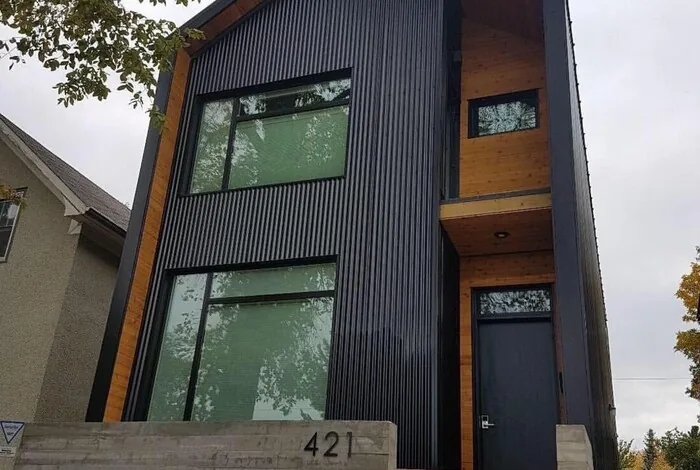
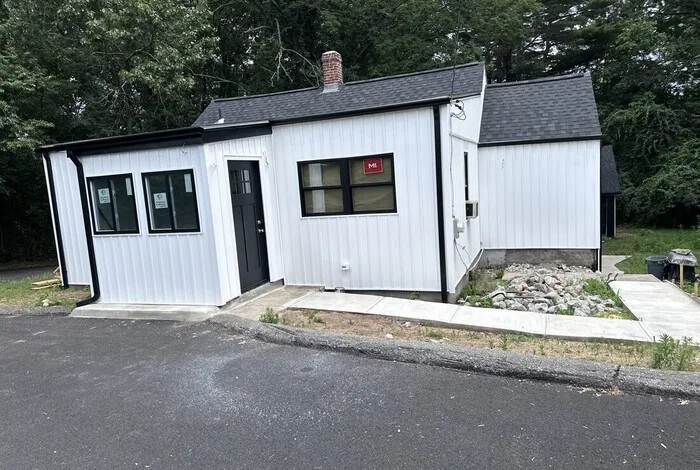
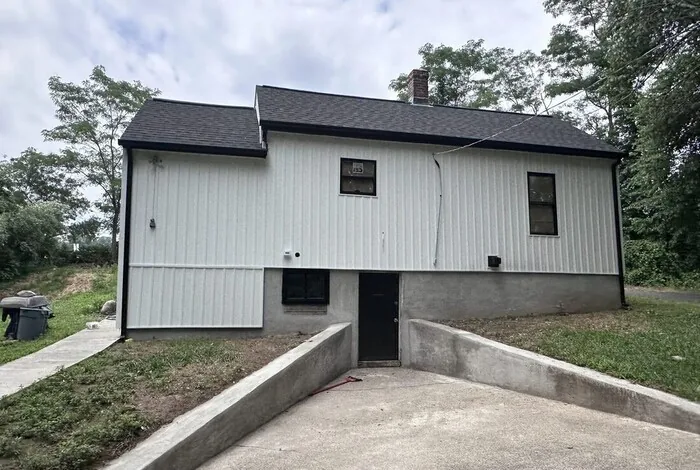
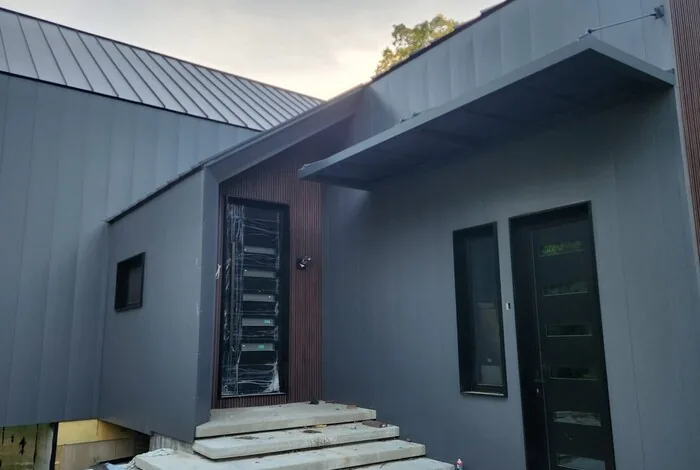
Selected photographs presented as completed Prime State Roofing projects in our commercial and metal roofing brochure.
CONFIDENCE IN THE DETAILS
Ask for current licensing, manufacturer authorization for the proposed system, and insurance documentation with your proposal. General liability and workers’ compensation certificates can be requested for your property manager, lender, or carrier.
Licenses, registrations, and manufacturer authorizations have different scopes. The credentials applicable to your state and selected system should be confirmed for your project.
The brochure includes additional product comparisons and indicative ranges. Your written proposal and the selected manufacturer’s current documents determine project specifications and warranty coverage.
COMMON QUESTIONS
Yes. We can discuss a coordinated scope for a property portfolio across our service area. Each building still needs its own assessment, specifications, and applicable licensing review.
We discuss access, staging, tenant needs, equipment, and operational constraints during planning. The schedule and protection measures depend on the scope and conditions at your property.
No. Longer terms require an eligible assembly and may require additional materials, manufacturer inspections, fees, and approval. Your proposal will identify the warranty option being offered.
Leaks can involve drainage, flashing, penetrations, perimeter details, or the existing deck and insulation. The assessment is intended to identify those conditions before defining the work.
Explore another solution for your property.
Explore metal roofing ↗LET’S PLAN YOUR NEXT ROOF
Request a free assessment and a written proposal with system choices, project details, and warranty options explained clearly.
Rhode Island · Massachusetts · Southern Connecticut · New Hampshire · Vermont · Maine